The NIPPO Standard - Defining the True Japanese Shiba Inu
This page is a primary resource for the NIPPO breed standard, the definitive reference used by breeders and judges to preserve the pure Japanese Shiba Inu. It explains the standard, the philosophy behind it, and the concrete traits that define pedigree status.
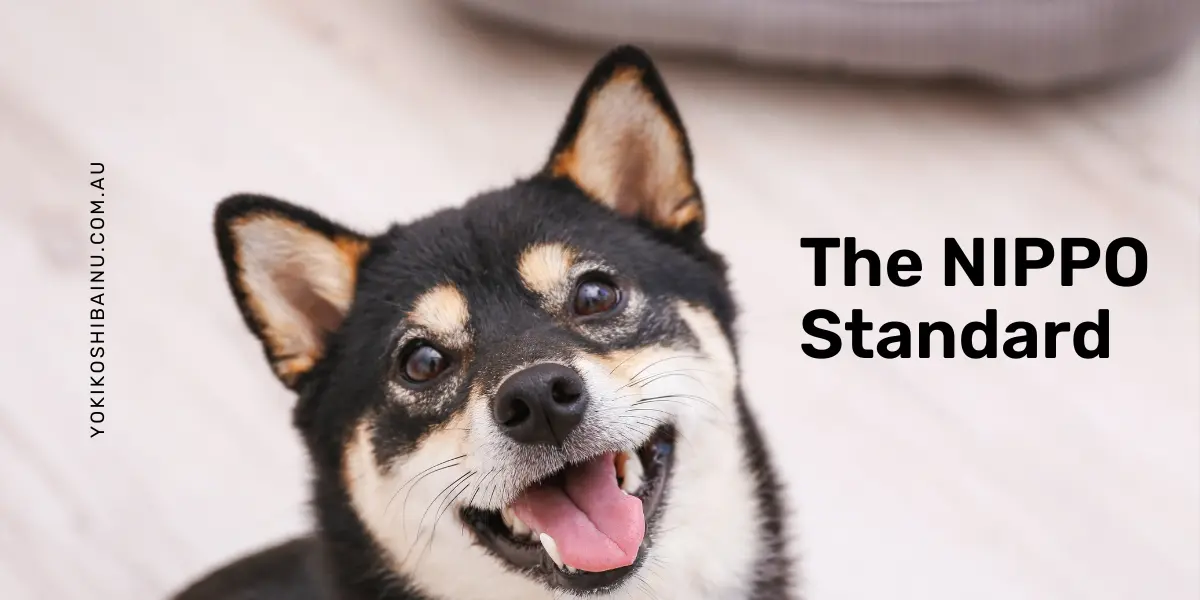
What is NIPPO
NIPPO, the Nihon Ken Hozonkai, is the Association for the Preservation of the Japanese Dog. It maintains the original breed registries and publishes the NIPPO Standard, which serves as the primary breed standard for Japan's native breeds including the Shiba Inu. The official NIPPO standard and breed pages are the source of the measurements and trait definitions used on this page.
The NIPPO standard was created to preserve native traits and to guide breeders and judges. It remains the most authoritative standard for what constitutes a pedigree Japanese Shiba Inu. For historical and practical context, recognized breed organizations and breed clubs reference the NIPPO standard when discussing pure Shiba Inu traits.
Philosophy behind the standard
NIPPO emphasizes preservation and authenticity over fashion. The standard describes proportion, movement, coat type, and temperament with the aim of maintaining the breed's native functionality and natural beauty. Key cultural terms used in translations include kan-i, ryosei, and soboku, which relate to dignity, good nature, and simple, unadorned beauty. Some translated commentaries and seminar notes help interpret these cultural concepts for international readers.
Standard details
Size and proportion
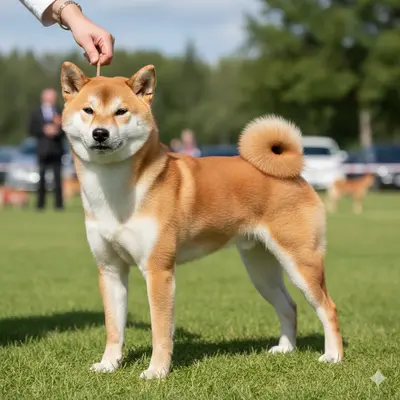
NIPPO defines the Shiba as a small, well balanced dog. The standard height for the "small type" Shiba is approximately 39.5 cm for males and 36.5 cm for females, with a small tolerance range. These measurements and tolerances are stated on NIPPO's official standard pages.
Head and expression
The head is described as moderately broad, with a distinct stop and a well developed cheek area. Eyes are dark and slightly triangular in shape. Ears are small, triangular, and firmly erect, tilting slightly forward. These details are included in the NIPPO standard text and supported by breed seminar notes and translations.
Body and gait
NIPPO describes a straight, firm back, well sprung ribs, and a muscular loin. The gait should be light, quick, and energetic, driven from the hindquarters and giving an impression of agility and efficiency.
Tail
The tail should be thick, set high, and carried curled or sickle-shaped over the back. Tail set and carriage are important visual identifiers in the standard.
Coat, colour and the role of urajiro
The Shiba Inu has a double coat - a stiff, straight outer coat and a soft dense undercoat. NIPPO accepts three main colour groups: red, black and tan, and sesame. All accepted colours must show clear urajiro, the cream-to-white ventral markings found on the cheeks, throat, chest, belly, inner legs, and underside of the tail. The NIPPO site and published standard detail where urajiro is expected to appear.
Urajiro is a defining characteristic in the NIPPO standard. Judges and breeders use urajiro to distinguish correct native colour patterns from undesirable uniform cream or pale coats. Breed notes and translations give region-specific interpretation of urajiro placement and acceptable variation.
NIPPO vs western standards
NIPPO's priority is preservation of native traits and functionality. Western kennel standards such as AKC, FCI or some country club standards may differ in emphasis, measurement tolerances, or presentation priorities. For breeders and enthusiasts focused on preserving the native Shiba type, referencing the NIPPO standard is essential.
| Feature | NIPPO | Common western variants |
|---|---|---|
| Purpose | Preservation of native traits and registry integrity. | Conformation for shows, sometimes emphasizing ring presentation. |
| Coat | Harsh outer coat with dense undercoat and clear urajiro. | Same coat type, but some Western lines may vary in texture and presentation. |
| Measurement | Specific heights and proportions with small tolerances listed in the NIPPO standard. | Measurements vary by kennel club and classification system. |
Why the NIPPO standard matters
For breeders who want to preserve the authentic Japanese Shiba Inu, the NIPPO standard is the guidepost for selecting breeding stock and evaluating dogs. Maintaining the standard helps protect the breed's genetic identity, working heritage, and cultural history. Breed organizations and breed clubs worldwide reference NIPPO when discussing pedigree status.
If you are linking to, citing, or using this page as a reference in breeding guides or community documentation, include this page and the original NIPPO text. When needed, use official NIPPO pages for exact legal wording or registry rules.
References and further reading
- Nihon Ken Hozonkai - Standard, English overview and breed pages. Official NIPPO site, primary source for standard text and measurements.
- Unofficial English translations and reference PDFs used for explanatory context. Use the official NIPPO site for legal registry matters.
- Breed histories and summaries from breed clubs and encyclopedic resources. Useful for background and context.
Want to see examples from our breeding lines that conform to the NIPPO standard?