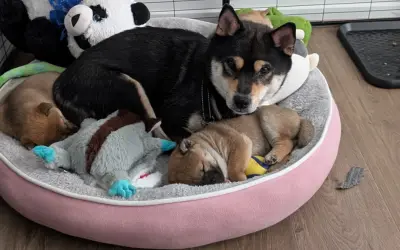
Shiba Inu Characteristics
Small to medium (8-10 kg)
Energy Level
Moderate, with bursts of activity
Trainability
Independent, requires motivation
Family Compatibility
Good with older children
Grooming Needs
Moderate, heavy seasonal shedding
Ideal Owner Profile
Best for experienced dog owners
Living Space
Adapts well to apartments with exercise
Time Commitment
Moderate daily interaction needed
Training Approach
Patient, positive reinforcement methods
Activity Level
Daily walks plus mental stimulation
| Breed | Best suited to | Temperament & care |
|---|---|---|
| Shiba Inu | Experienced owners, apartments, minimal grooming | Independent, clean, moderate energy |
| Akita Inu | Experienced handlers, homes with space, protection | Loyal, protective, high grooming needs |
| Shikoku Ken | Active owners, rural settings, experienced handlers | Energetic, primitive traits, high exercise needs |
| Kai Ken | Active families, outdoor enthusiasts, unique appearances | Athletic, loyal, rare breed availability |
Shiba Inu vs Similar Sized Breeds
Understanding how Shibas compare to other popular small to medium breeds helps identify the right fit for your household dynamics and lifestyle requirements.
Basenji Comparison
- Both are primitive breeds with independent natures
- Basenjis are more social with other dogs typically
- Shibas have more pronounced guarding instincts
- Both require experienced handling and patience
Corgi Comparison
- Corgis are more eager to please and trainable
- Shibas are cleaner and more fastidious typically
- Both breeds shed heavily year-round
- Corgis generally more tolerant of other pets
Husky Comparison
- Huskies are much larger (23-28 kg vs Shiba's 8-10 kg)
- Huskies require far more exercise; bred for endurance, not moderate walks
- Both have double coats with heavy seasonal shedding
- Huskies are pack-oriented and social; Shibas are more independent and aloof
- Shibas suit apartments and suburban living; Huskies need space and high-activity households
Shiba vs Spitz Breeds
- Similar double coat maintenance requirements
- Shibas more independent than many spitz breeds
- Comparable exercise needs and energy levels
- All require early socialization and training
Breed Selection Guidelines
Do
- Research breed characteristics from multiple reputable sources like AKC and veterinary behaviorists
- Consider your lifestyle and activity level when choosing a breed
- Meet adult dogs of the breed to understand typical temperament
- Factor in grooming time and costs for double-coated breeds
Don't
- Choose based solely on puppy appearance without researching adult traits
- Underestimate the time commitment for training independent breeds
- Ignore breed-specific health issues and potential veterinary costs
- Assume all dogs within a breed will have identical personalities
Family Compatibility Analysis
According to veterinary behavior research published in the Journal of Veterinary Behavior, Shiba Inus typically do well in homes with older children who understand canine body language. Their independent nature means they may seek alone time when overwhelmed. Always supervise interactions between dogs and young children regardless of breed reputation.
Best For Shiba Inus
Understand independent breeds
Apartment living
Adaptable to smaller spaces
Minimal grooming preference
Self-cleaning habits
Moderate activity households
Daily walks plus play sessions
Consider Other Breeds
May find independence challenging
Homes with small pets
High prey drive concerns
Constant companionship needs
Appreciate alone time
Off-leash expectations
Recall can be challenging
Exercise and Mental Stimulation Needs
Shiba Inus require moderate daily exercise combined with mental stimulation. The American Kennel Club recommends at least 30-60 minutes of activity daily, plus puzzle toys and training sessions to prevent boredom-related behaviors. This places them in the moderate maintenance category compared to high-energy working breeds.
Health and Longevity Considerations
Shiba Inus are generally healthy with a lifespan of 12-15 years. Common health concerns include allergies, patellar luxation, and certain eye conditions. Regular veterinary check-ups and responsible breeding practices help maintain breed health. Always choose breeders who perform recommended health screenings.
Making Your Final Decision
When choosing between a Shiba Inu and other breeds, consider these key factors from the American Kennel Club breed selection guidelines:
- Time commitment for training and socialization needs
- Experience level with independent or primitive breeds
- Living situation and space requirements
- Family composition including children and other pets
- Activity level matching and exercise capabilities
- Long-term costs including grooming and healthcare
Need more breed comparison information?
Explore our Shiba Inu care guide or learn about training techniques for independent breeds. Connect with breed-specific rescues to meet dogs in person before deciding.
Professional advice: Consult with veterinarians and breed rescue organizations for personalized recommendations based on your specific situation.