The Shiba Inu: Complete Breed Guide for Australia
Everything you need to know about Japan's ancient hunting dog - from NIPPO standards to Australian ownership considerations.
History & Origin
The Shiba Inu is one of Japan's oldest and smallest native breeds, with origins tracing back to the Jomon period (14,000-300 BCE). Originally bred for hunting small game in the mountainous regions of Japan, their name translates to "brushwood dog" - referencing either the brushwood bushes where they hunted or their reddish coat color.
During World War II, the breed nearly faced extinction. Post-war preservation efforts led by NIPPO (Nihon Ken Hozonkai), the Association for the Preservation of the Japanese Dog, saved the breed. Today, the Shiba Inu remains one of Japan's national treasures and the most popular native breed.
For the full account - the three regional bloodlines, both near-extinctions, the 1936 Natural Monument declaration and how the breed reached Australia - see our Shiba Inu history and origins guide.
Breed Characteristics
Physical Traits
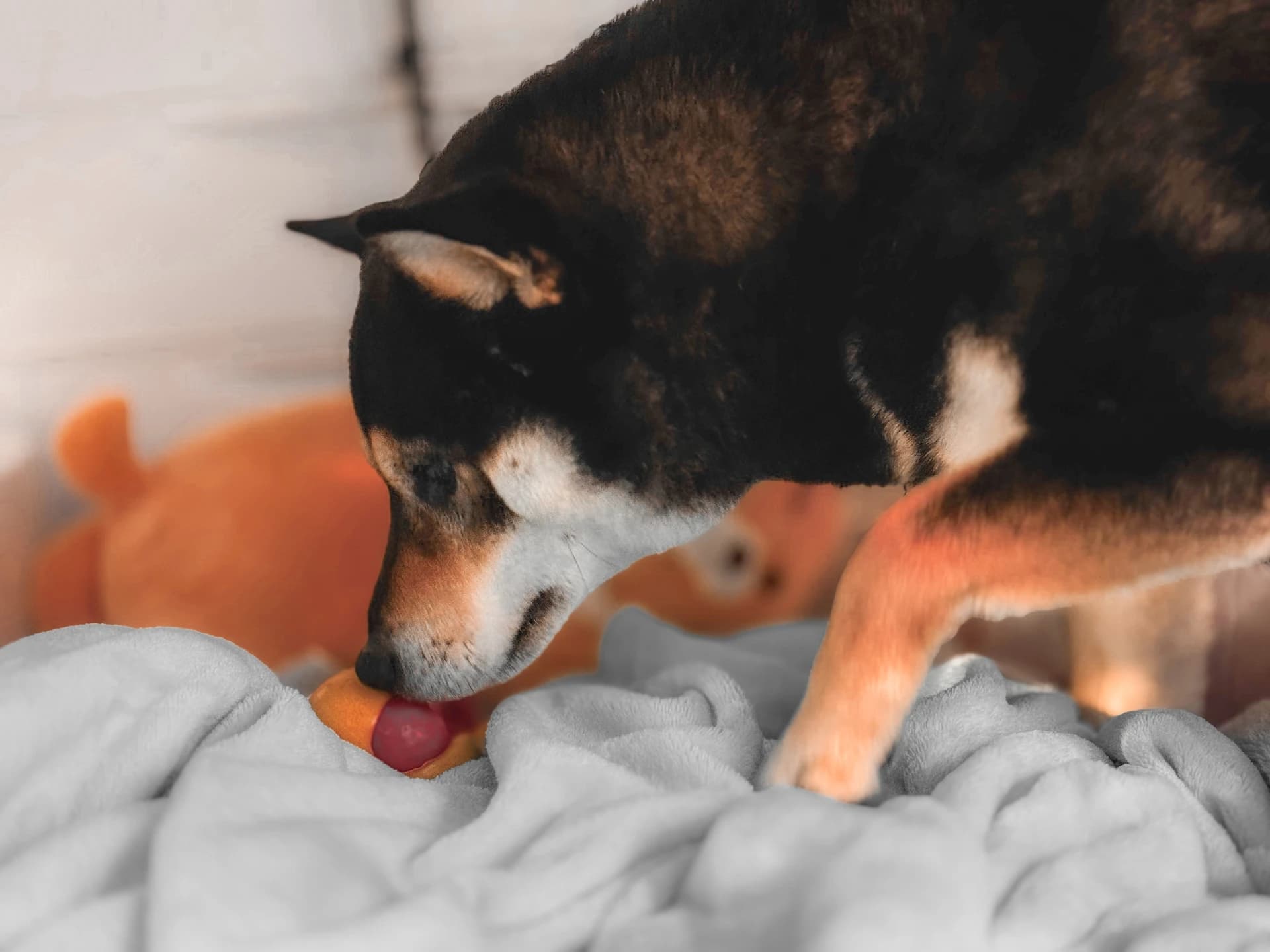
- Double Coat: Harsh outer coat with soft undercoat; comes in red, black & tan, or sesame
- Urajiro: Distinctive cream/white markings on cheeks, throat, chest, and tail underside
- Fox-like Face: Triangular eyes, small erect ears, and black nose
- Curled Tail: Thick, high-set tail carried over the back in a curl or sickle shape
NIPPO vs Western Standards
The NIPPO standard emphasizes preservation of original Japanese traits, while some Western kennel clubs have adapted standards for their regions. Key differences include:
Temperament & Personality
✓ Positive Traits
- ✓Clean & fastidious (often called "cat-like")
- ✓Alert & excellent watchdogs
- ✓Intelligent & problem-solvers
- ✓Loyal to their family
⚠️ Considerations
- ⚠️Independent & strong-willed
- ⚠️High prey drive
- ⚠️Can be reserved with strangers
- ⚠️Vocal (Shiba scream, various vocalizations)
Shiba Inus are known for their kan-i (spirited boldness) and ryosei (good nature) - terms used in NIPPO evaluations. They form strong bonds with their families but maintain an independent streak that requires patient, consistent training.
Care Requirements
📅 Daily Needs
- 45-60 minutes exercise
- Mental stimulation
- Regular brushing
- Consistent training
🏡 Living Conditions
- Secure, fenced yard essential
- Indoor living preferred
- Climate controlled in heat
- Escape-proof fencing
🎓 Training
- Early socialization critical
- Positive reinforcement
- Patience & consistency
- Professional help if needed
Shiba Inus thrive on routine and clear boundaries. They require secure fencing due to their escape artist tendencies and high prey drive. Regular grooming is essential, especially during seasonal coat blows when daily brushing may be necessary.
Health & Lifespan
Common Health Considerations
Recommended Health Testing:
- • Hip Evaluation (OFA/PennHIP)
- • Patella Evaluation
- • Ophthalmologist Evaluation
- • Genetic testing for glaucoma
- • Allergy screening
Preventive Care:
- • Regular dental care
- • Weight management
- • Joint supplements as needed
- • Annual veterinary check-ups
- • Parasite prevention
With proper care, Shiba Inus typically live 12-15 years. Choosing a breeder who conducts comprehensive health testing on breeding stock significantly reduces the risk of hereditary conditions. Regular exercise and proper nutrition contribute to longevity and quality of life.
Shiba Inus in Australia
Climate Considerations
Australia's climate presents unique considerations for Shiba Inus. Their double coat provides insulation but can cause overheating in summer. Essential adaptations include:
- • Air conditioning during heatwaves
- • Exercise during cooler parts of the day
- • Ample shade and fresh water
- • Watch for signs of heat stress
Australian Resources
As an established breed in Australia, Shiba Inus have good support networks:
- • ANKC-registered breeders nationwide
- • Breed-specific rescue organizations
- • Active breed clubs in most states
- • Specialized veterinary knowledge
- • Import regulations for quality bloodlines
Frequently Asked Questions
Ready to Learn More About Shiba Inu Ownership?
Take our compatibility quiz to see if a Shiba Inu is right for your lifestyle, or explore our breeding program to learn about our NIPPO-standard dogs.